
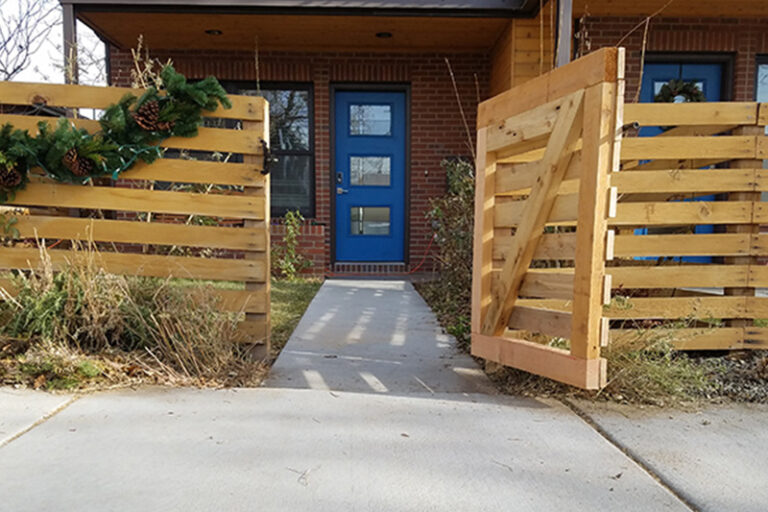
If you’re shopping for a new fence in Denver, you’ve probably noticed that cedar keeps coming up in conversations. There’s a good reason for that. Colorado throws just about everything at outdoor structures: intense UV rays, wild temperature swings, heavy snow, and the occasional hailstorm. Not every fencing material can handle that kind of punishment, but cedar has been proving itself in this climate for decades.
At A Straight Up Fence Company, we exclusively use western red cedar for our privacy fences because we’ve seen firsthand how well it performs across the Denver metro area. Whether you’re in Thornton, Aurora, or right in the heart of Denver, cedar consistently delivers on durability, looks, and long-term value. Let’s dig into why so many Colorado homeowners and property owners are choosing cedar fences over other options.
Natural Durability in Colorado’s Harsh Climate
Colorado’s climate isn’t exactly gentle on outdoor structures. We’re talking about a place where temperatures can swing 40 degrees in a single day, where the sun beats down with extra intensity at altitude, and where winter storms can dump heavy, wet snow overnight. A fence that works fine in Ohio might not last five years here.
Cedar fences are built differently. The wood itself has a dense cellular structure that gives it natural stability, which means it’s far less likely to warp, crack, or split when conditions get extreme. That matters a lot in Denver, where a fence might bake in 95-degree heat one week and sit under a foot of snow the next.
Resistance to Temperature Extremes
One thing that surprises a lot of homeowners is how much those daily temperature swings affect their fence. When wood expands and contracts repeatedly, it starts to break down. Joints loosen, boards warp, and before you know it, you’ve got gaps and structural issues.
Cedar handles this better than most woods because of its natural insulating properties. It doesn’t conduct heat the way denser hardwoods do, so it stays more stable through those wild temperature changes we get along the Front Range. Homeowners in Westminster and Arvada deal with the same high-altitude sun exposure as folks in Highlands Ranch, and cedar performs consistently across all these areas.
There’s also a practical comfort benefit. A solid cedar privacy fence blocks harsh winter winds, which can actually help reduce heating costs for homes exposed to Colorado’s notorious gusts. And in summer, it provides shade without absorbing and radiating heat back into your yard the way metal fencing does.
Protection Against Moisture and Rot
Here’s where cedar really shines. The wood contains natural oils and tannins that actively repel moisture. This isn’t some chemical treatment that wears off over time. It’s built right into the wood itself.
For Denver homeowners, this matters more than you might think. Sure, we don’t get the humidity that coastal states deal with, but we do get plenty of moisture from snowmelt, spring rains, and the occasional summer thunderstorm. A fence post sitting in wet soil is going to be exposed to moisture year-round, and that’s where rot typically starts.
Cedar’s natural resistance means you’re not fighting a losing battle against decay. The same properties that repel water also prevent mold and mildew growth, which keeps your fence looking better longer. Homeowners in Littleton and Englewood, where some neighborhoods sit closer to the South Platte drainage, particularly appreciate this moisture resistance.
Aesthetic Appeal That Complements Colorado Landscapes
Let’s be honest: a fence is one of the most visible features of your property. It’s right there, front and center, every time you pull into your driveway or look out your back window. So it better look good.
Cedar delivers on aesthetics in a way that few other materials can match. Fresh western red cedar has this warm, reddish-brown tone with natural grain variations that catch the light beautifully. It looks like it belongs in Colorado, which makes sense when you consider that cedar trees grow throughout the western mountain regions.
That natural appearance works equally well in a modern Centennial subdivision or on a more rustic property in Wheat Ridge. Cedar is versatile enough to complement contemporary architecture while still feeling right at home next to older craftsman-style houses.
One thing we love about cedar is how it ages. If you choose to let it weather naturally, it develops a silvery-gray patina over time that many homeowners find even more attractive than the original color. Or you can stain it to maintain the warm tones or match your home’s exterior. Either way, you’re working with a material that gives you options.
There’s also a subtle benefit that’s hard to put a price on: cedar smells amazing. That distinctive cedar aroma is especially noticeable when the fence is new, but it lingers for years. It’s one of those small details that makes your outdoor space feel more inviting.
For both residential and commercial properties across Denver, the curb appeal boost from a well-built cedar fence is significant. Real estate agents consistently mention fencing as one of the improvements that buyers notice immediately.
Low Maintenance Requirements for Busy Homeowners
Nobody wants to spend their weekends maintaining a fence. That’s time you could be hiking, watching the Broncos, or just relaxing in the backyard you built that fence to enjoy.
Cedar fences are remarkably low-maintenance compared to other wood options. Because of those natural protective oils we mentioned earlier, cedar doesn’t require the constant attention that pine or spruce fencing needs. You won’t be out there every year sanding, sealing, and repainting just to keep the thing from falling apart.
Here’s what typical cedar fence maintenance actually looks like:
- Annual inspection: Walk your fence line once a year, checking for loose boards or posts that might need attention. This takes maybe 30 minutes.
- Occasional cleaning: A garden hose and soft brush can remove dirt buildup. You might do this once or twice a year.
- Staining (optional): If you want to maintain the original color, a fresh coat of stain every 3-5 years does the trick. If you prefer the weathered look, skip this entirely.
That’s it. Compare that to composite fencing that needs special cleaners, or metal fencing that can rust and needs repainting, and you start to see why cedar is so popular with busy Denver homeowners.
For property owners in Northglenn and Aurora who are managing multiple responsibilities, this low-maintenance aspect is often what seals the deal. A Straight Up Fence Company builds cedar fences that are designed to look great for years with minimal effort on your part.
Natural Insect and Pest Resistance
Termites aren’t as big a problem in Colorado as they are in warmer, more humid states. But they’re definitely here, and so are other wood-boring insects that can turn a fence into an expensive problem.
Cedar’s natural oils don’t just repel moisture. They also deter insects. Termites and other pests find cedar unappetizing because of these same compounds that give the wood its distinctive smell. It’s nature’s pest control, built right into the material.
This matters because treating wood for insects typically means applying chemicals. Those treatments wear off over time, and they need to be reapplied. They also introduce substances into your yard that you might prefer to avoid, especially if you have kids or pets who spend time outside.
With cedar, you’re getting pest resistance without the chemical treatments. The protection is there from day one and remains effective for the life of the fence. That’s not marketing hype. It’s just how cedar works.
Homeowners throughout the Denver metro area, from Thornton down to Highlands Ranch, benefit from this natural resistance. And for commercial properties where maintaining a professional appearance is important, not having to deal with pest damage means one less thing to worry about.
Environmental Benefits of Choosing Cedar
If environmental impact factors into your purchasing decisions, cedar is worth a closer look. It’s one of the more sustainable fencing options available, for several reasons.
First, cedar is a renewable resource. The trees grow relatively quickly, and responsible forestry practices ensure that harvested cedar is replaced with new growth. When you buy from reputable suppliers, you’re supporting sustainable forestry.
Second, because cedar doesn’t require chemical treatments to resist rot and insects, you’re not introducing those substances into your property. Over the lifespan of a fence, that adds up to a meaningful reduction in chemical use.
Third, when a cedar fence eventually reaches the end of its life (which takes a while), the wood is biodegradable. It breaks down naturally without leaving behind synthetic materials or leaching chemicals into the soil. Compare that to vinyl fencing, which will sit in a landfill essentially forever.
For Denver homeowners who care about their environmental footprint, cedar represents a choice that balances practical needs with responsible stewardship. You’re getting a fence that performs well and doesn’t require you to compromise on your values.
We’ve noticed more property owners in Westminster, Arvada, and other Denver suburbs asking about sustainable options. Cedar gives us an answer that makes sense both environmentally and practically.
Long-Term Value and Cost Considerations
Let’s talk money, because that’s obviously a factor in any fencing decision.
Cedar does cost more upfront than basic pine or spruce fencing. That’s just reality. But here’s where it gets interesting: when you calculate total cost of ownership over 15-20 years, cedar often comes out ahead.
Think about it this way. A cheaper fence that needs to be replaced in 8-10 years isn’t actually cheaper. It’s just spreading the cost out differently while giving you more hassle in the meantime. Cedar fences routinely last 20 years or more with proper installation and minimal maintenance. Some last even longer.
Then there’s the maintenance factor. Every hour you spend maintaining a high-maintenance fence has value. Every gallon of stain, every replacement board, every weekend spent on repairs instead of doing something you actually enjoy. Cedar reduces all of those costs.
There’s also the property value consideration. A well-built cedar fence adds curb appeal, and curb appeal translates to real dollars when it’s time to sell. Real estate professionals estimate that quality fencing can increase home value by 1-10%, depending on the property and market conditions. In Denver’s competitive real estate market, that’s not nothing.
For commercial properties, the calculation is similar. A fence that looks professional and requires minimal maintenance protects your investment while presenting the right image to customers and clients.
At A Straight Up Fence Company, we build cedar privacy fences in heights from 4 feet up to 10 feet, with careful attention to post and rail placement that ensures structural integrity and visual appeal. We’ve been helping Denver area property owners make smart fencing investments for years, and we’re happy to provide free estimates so you can see exactly what a cedar fence would cost for your specific situation.
Conclusion
Cedar fences aren’t the only option for Colorado properties, but they’re consistently one of the best. The combination of natural durability, weather resistance, low maintenance, and genuine good looks is hard to beat, especially given the demands our climate places on outdoor structures.
Whether you’re in Denver, Aurora, Centennial, or anywhere else across the metro area, a cedar privacy fence can transform your property. It gives you the security and privacy you need while adding lasting value and beauty.
If you’re ready to explore what a cedar fence could do for your home or business, we’d love to help. A Straight Up Fence Company serves the entire Denver metro area and Front Range, and we’re happy to provide a free estimate. We use western red cedar exclusively because we believe it’s the right choice for Colorado, and we think you’ll agree once you see the finished product. Give us a call or reach out online to get started.
Frequently Asked Questions
Why are cedar fences a top choice for Colorado’s climate?
Cedar fences excel in Colorado due to their natural durability against extreme temperature swings, intense UV rays, and heavy snow. The wood’s dense cellular structure resists warping, cracking, and splitting, while natural oils protect against moisture and rot—making cedar ideal for Denver’s demanding weather conditions.
How long do cedar fences last in Colorado?
With proper installation and minimal maintenance, cedar fences in Colorado routinely last 20 years or more. Some well-maintained cedar fences last even longer. This exceptional lifespan makes cedar a cost-effective long-term investment compared to cheaper wood options that may need replacement in 8-10 years.
What maintenance does a cedar fence require?
Cedar fences are remarkably low-maintenance. They require only an annual inspection for loose boards, occasional cleaning with a garden hose, and optional staining every 3-5 years if you want to preserve the original color. Many homeowners skip staining entirely and let the wood develop a natural silvery-gray patina.
Do cedar fences resist insects without chemical treatment?
Yes, cedar contains natural oils that deter termites and other wood-boring insects without requiring chemical treatments. This built-in pest resistance remains effective throughout the fence’s lifespan, making cedar a safer choice for yards where children and pets play.
Is cedar fencing more expensive than other wood options?
Cedar costs more upfront than pine or spruce fencing, but often proves more economical long-term. Its superior durability, lower maintenance needs, and longer lifespan mean fewer replacements and repairs. Quality cedar fencing can also boost property value by enhancing curb appeal.
Can cedar fences withstand Denver’s temperature swings?
Absolutely. Cedar’s natural insulating properties help it stay stable through Colorado’s dramatic temperature fluctuations, which can swing 40 degrees in a single day. Unlike denser hardwoods, cedar doesn’t conduct heat as readily, preventing the expansion and contraction cycles that cause warping and structural damage.