
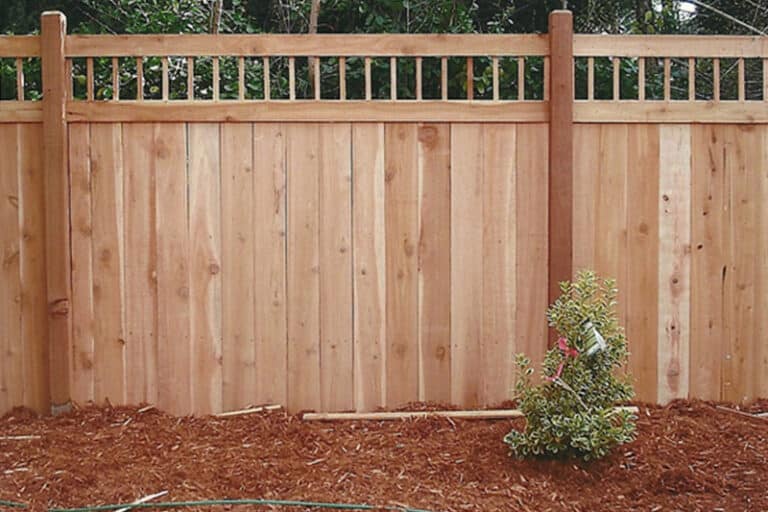
Living in Denver means enjoying mountain views, vibrant neighborhoods, and a lifestyle that blends urban energy with outdoor living. But let’s be honest: when your neighbor’s kitchen window is fifteen feet from your backyard patio, privacy becomes a priority. Whether you’re in a cozy bungalow near Wash Park or a newer build in Stapleton, the right privacy fence can transform your outdoor space from a fishbowl into a genuine retreat.
At A Straight Up Fence, we’ve been helping Denver homeowners solve this exact problem since 2006. We’ve seen firsthand how the right fence turns a cramped urban lot into something that actually feels like your own. So if you’re thinking about adding some seclusion to your property, here’s what you need to know about privacy fence ideas that work for Denver’s unique climate and urban landscape.
Why Privacy Fencing Matters in Denver’s Urban Neighborhoods
Denver’s population growth over the past decade has changed the feel of many neighborhoods. Infill development, ADUs, and subdivided lots mean homes are closer together than ever. In areas like Capitol Hill, Highland, and parts of Aurora, you might have just a few feet between your property line and your neighbor’s. That’s not a bad thing necessarily, but it does mean your backyard barbecue suddenly has an audience.
A well-designed privacy fence does more than block sightlines. It creates a defined outdoor living space that feels like an extension of your home. For families with kids or pets, it’s about safety too. You don’t want your dog making a break for it every time someone walks by, and you definitely don’t want to spend every summer afternoon chasing toddlers toward the alley.
There’s also the noise factor. A solid privacy fence won’t soundproof your yard completely, but it does help muffle street noise and the general buzz of city living. For homeowners in busy corridors near Colfax, Broadway, or major intersections in Westminster and Thornton, that buffer makes a real difference.
And let’s not overlook curb appeal. The right fence style can actually boost your property’s value and visual impact. A dated chain-link fence sends one message: a clean cedar privacy fence sends another entirely.
Best Materials for Denver’s Climate
Denver’s weather is… a lot. We get 300 days of sunshine (with intense UV exposure), temperature swings of 40 degrees in a single day, dry air, heavy spring snows, and occasional wind gusts that’ll test anything not properly anchored. Your fence material needs to handle all of it without falling apart in five years.
Cedar and Redwood Options
Cedar remains one of the best choices for Denver homeowners who want natural wood fencing. Western red cedar, specifically, has natural oils that make it resistant to decay, insects, and moisture. It doesn’t warp as easily as other wood species when temperatures fluctuate, which matters when you can go from 70 degrees to a blizzard in 24 hours.
At A Straight Up Fence, we exclusively use western red cedar on all parts of our privacy fences. There’s a reason for that. It’s not just practical and long-lasting: it has a distinctive color and grain that looks great whether you’re going for a modern aesthetic or something more traditional. Cedar ages beautifully too, developing a silvery-gray patina over time if left unstained, or it can be sealed to maintain its original warm tones.
Redwood is another solid natural option, though it’s pricier and less commonly used in Colorado. Both cedar and redwood do require some maintenance. Plan on sealing or staining every few years to protect against UV damage and preserve the wood‘s integrity.
Composite and Vinyl Alternatives
If low maintenance is your priority, composite and vinyl fencing deserve a look. Composite materials combine recycled wood fibers with plastic resins, giving you something that looks like wood but won’t rot, warp, or need regular staining. For homeowners in Centennial, Highlands Ranch, and Littleton who want a polished look without weekend maintenance projects, composite is worth considering.
Vinyl has come a long way from the flimsy white picket fences of the 1990s. Modern vinyl fencing resists moisture, won’t rot or warp, and doesn’t require repainting. The key is choosing high-quality, UV-resistant vinyl. Cheaper products can become brittle in Denver’s cold winters and fade under our intense sun.
Aluminum fencing offers a contemporary aesthetic with virtually zero upkeep. It’s corrosion-resistant and weatherproof, making it a good fit for Denver’s dry climate. While aluminum doesn’t provide complete visual privacy on its own, it can be combined with other materials or privacy slats for a modern mixed-material look.
Popular Privacy Fence Styles for Small Urban Lots
Urban lots in Denver often measure 25 to 50 feet wide, which doesn’t leave much room for error in fence design. The style you choose affects both how private your space feels and how large your yard appears.
Horizontal Slat Fences
Horizontal slat fencing has become increasingly popular in Denver’s modern neighborhoods. The clean lines create a contemporary look that complements mid-century and newer construction styles. You’ll see these throughout Arvada, Wheat Ridge, and updated properties in Englewood.
The horizontal orientation can make a small yard feel wider, which is a nice visual trick on compact urban lots. Spacing between slats can be adjusted depending on how much privacy you need versus how much light and airflow you want. Some homeowners opt for tighter spacing near seating areas and wider gaps elsewhere.
Board-on-Board Designs
Board-on-board construction overlaps vertical fence boards on alternating sides of the rail, creating a fence that looks finished from both sides. This is a thoughtful choice if you share a fence line with neighbors and want something attractive from their view too.
This design also allows for some air movement while maintaining solid visual privacy. In Denver’s occasional high winds, that airflow can actually reduce stress on fence posts compared to a completely solid panel. For homeowners in exposed areas of Northglenn or along Denver’s eastern plains-adjacent neighborhoods, that’s a practical consideration.
The overlapping boards also mean no gaps develop as wood naturally shrinks and swells with seasonal humidity changes. What looks perfectly tight in July might have visible gaps by January with a basic side-by-side board design. Board-on-board solves that problem.
Incorporating Greenery and Living Walls
A fence doesn’t have to be a standalone structure. Combining fencing with plants creates a softer look and can actually enhance privacy beyond what the fence alone provides.
Partial privacy fences, like slatted designs or shorter solid fences, work well when paired with climbing vines or tall plantings. Clematis, trumpet vine, and Virginia creeper all thrive in Denver and can transform a basic fence into something that feels more like a garden feature. Just make sure whatever you plant is appropriate for our climate and won’t damage the fence material over time.
For properties in Aurora or other areas where water conservation matters (honestly, that’s everywhere in Colorado these days), consider native ornamental grasses or xeric shrubs planted along the fence line. Karl Foerster grass, blue avena, and desert willow can all provide additional screening without requiring heavy irrigation.
Living walls and vertical gardens are another option, though they require more planning and ongoing care. These work best on north-facing fences where plants won’t bake in direct summer sun. The combination of hardscape and greenery creates visual interest and can make even a small urban yard feel like an oasis.
One practical note: keep plantings trimmed back from the fence itself. Plants holding moisture against wood fencing will shorten its lifespan, even with cedar’s natural resistance.
Understanding Denver’s Fence Height and Setback Regulations
Before you start planning your dream privacy fence, you need to understand what Denver’s zoning code actually allows. Getting this wrong can mean tearing down what you just built, which is expensive and frustrating.
Here’s the basic breakdown for residential properties in Denver:
- Front yard fences may not exceed 4 feet in height and must be more than 50% open (meaning you can’t put a solid privacy fence in your front yard)
- Rear yard and side yard fences may reach up to 6 feet in height and may be solid
- Corner lots have additional restrictions around sight triangles at intersections
Setback requirements vary depending on your zone district, lot configuration, and whether you’re dealing with an alley, easement, or shared property line. Some historic districts and HOAs have additional design requirements on top of city code.
Suburban communities in the metro area have their own rules. Littleton, Englewood, Westminster, and other municipalities may allow different heights or have different permit requirements than Denver proper. If you’re in an HOA community in Highlands Ranch or Centennial, you’ll likely need architectural approval before installation.
The permitting process in Denver typically requires a site plan showing fence location, height, and materials. Fees vary based on project scope. A reputable fence contractor can help you navigate the permit process and ensure your fence meets all applicable codes.
Budget Considerations and Cost-Saving Tips
Privacy fencing is an investment, and costs vary significantly based on materials, fence height, lot size, and site conditions.
Here’s a rough idea of what to expect in the Denver market:
- Wood privacy fences (cedar): $35 to $55 per linear foot installed
- Composite fencing: $45 to $75 per linear foot installed
- Vinyl privacy fencing: $30 to $60 per linear foot installed
For a typical Denver lot with 150 to 200 linear feet of fencing, you’re looking at anywhere from $5,000 to $15,000 depending on material and design complexity. Custom features like decorative tops, integrated gates, and masonry columns add to the cost but can really elevate the finished look.
A few ways to manage costs without sacrificing quality:
- Prioritize the visible areas: If budget is tight, use premium materials where the fence is most visible and a simpler design along back alleys or less prominent areas
- Consider phased installation: Tackle the backyard this year, side yards next year
- Don’t skip on posts and hardware: This is where cheap materials fail first. Spend on quality posts and brackets even if you economize elsewhere
- Plan for longevity: Composite and vinyl cost more upfront but require virtually no maintenance. Over 15 to 20 years, they often cost less than wood that needs regular staining and repairs
Regular maintenance extends fence lifespan regardless of material. Annual cleaning, prompt repair of loose boards or damaged sections, and periodic sealing for wood fences will help you get the most out of your investment.
Conclusion
A privacy fence isn’t just about blocking the view. It’s about creating a space that actually feels like yours, a place where you can relax without feeling like you’re on display. For Denver homeowners dealing with urban density, active families, or just the desire for a more comfortable outdoor experience, the right fence makes a meaningful difference in how you use and enjoy your property.
At A Straight Up Fence, we’ve been helping homeowners throughout Denver, Thornton, Aurora, Arvada, and the surrounding metro area find the right fencing solutions since 2006. We specialize in cedar privacy fences, composite options, custom gates, and everything in between. If you’re ready to explore privacy fence ideas for your property, we’d be happy to provide a free estimate and talk through what would work best for your specific situation.
Give us a call or reach out online. We look forward to helping you install a beautiful, functional fence that you’ll love for years to come.
Frequently Asked Questions
What is the best privacy fence material for Denver’s climate?
Western red cedar is one of the best privacy fence materials for Denver due to its natural resistance to decay, insects, and moisture. It handles extreme temperature swings well and won’t warp easily. Composite and UV-resistant vinyl are also excellent low-maintenance alternatives that withstand Denver’s intense sun and cold winters.
How tall can a privacy fence be in Denver residential areas?
In Denver, rear and side yard fences can be up to 6 feet tall and fully solid. Front yard fences are limited to 4 feet and must be more than 50% open. Corner lots have additional sight triangle restrictions, and HOA communities may have separate requirements beyond city code.
How much does a privacy fence cost in Denver?
Privacy fence costs in Denver range from $30 to $75 per linear foot installed, depending on materials. Cedar fences typically run $35–$55, vinyl $30–$60, and composite $45–$75 per linear foot. A typical Denver lot with 150–200 linear feet of fencing costs between ,000 and ,000.
What privacy fence style works best for small urban lots?
Horizontal slat fences are popular for small Denver lots because they create a modern look and make yards appear wider. Board-on-board designs are another excellent option, providing solid visual privacy, better wind resistance, and an attractive appearance from both sides of the fence.
How often should you seal or stain a cedar privacy fence in Colorado?
Cedar privacy fences in Colorado should be sealed or stained every 2–3 years to protect against UV damage and preserve the wood’s integrity. Denver’s intense sunshine and dry climate can accelerate weathering, so regular maintenance helps extend your fence’s lifespan and maintain its appearance.
Can I combine plants with my privacy fence for extra screening?
Yes, combining fencing with climbing vines like clematis or trumpet vine, or planting tall ornamental grasses along the fence line, enhances privacy and softens the look. For water-conscious Denver yards, native xeric plants like Karl Foerster grass or desert willow provide screening without heavy irrigation.