
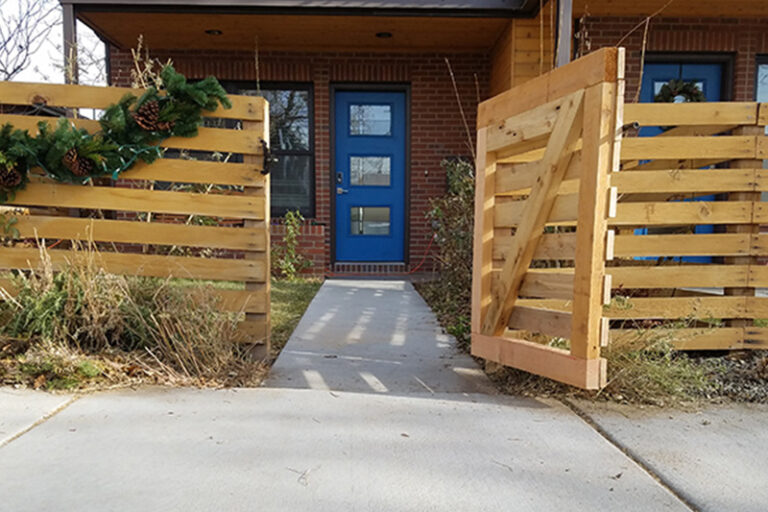
Denver’s architectural scene is a fascinating mix of old and new. From the Victorian homes in Capitol Hill to the sleek modern builds popping up in RiNo and LoHi, our city refuses to be boxed into a single style. And that creates both an opportunity and a challenge when it comes to fencing.
We’ve been installing fences across the Denver metro area, Boulder, and the Front Range since 2006, and one thing we’ve learned is that the right fence doesn’t just mark property lines, it completes a home’s visual story. A poorly chosen fence can clash with even the most beautiful architecture, while a thoughtfully designed one elevates everything around it. In this guide, we’ll walk through modern fence designs that genuinely complement Denver’s diverse architectural landscape, from material choices to color palettes that work with our unique environment.
Understanding Denver’s Architectural Landscape
Denver’s neighborhoods read like an architectural timeline. Drive through Wash Park and you’ll find Craftsman bungalows with their characteristic low-pitched roofs and tapered columns. Head to Hilltop and the Tudor revivals stand proud with their steeply pitched gables. Then there’s the contemporary explosion in areas like Stapleton (now Central Park) and the Highlands, where clean lines and mixed materials dominate new construction.
This diversity means there’s no one-size-fits-all approach to fence design. A wrought iron fence that looks stunning framing a Victorian in Curtis Park might feel completely out of place next to a mid-century modern ranch in Harvey Park. Understanding your home’s architectural DNA is the first step toward choosing a fence that feels intentional rather than afterthought.
We also can’t ignore Denver’s unique position where urban meets mountain west. Many homes here incorporate natural materials, stone, wood, exposed timber, that nod to Colorado’s rugged landscape. The most successful modern fence designs acknowledge this connection while still feeling fresh and contemporary.
Another factor worth considering is the transitional nature of many Denver neighborhoods. In areas experiencing rapid development, you might find a 1920s bungalow sitting next to a brand-new modern build. Choosing a fence design with timeless appeal helps your property fit in now and years down the road.
Horizontal Slat Fencing for Contemporary Homes
If there’s one fence style that’s become synonymous with modern Denver architecture, it’s the horizontal slat design. And there’s good reason for that popularity, horizontal lines naturally complement the linear profiles of contemporary homes while creating a sense of width and flow.
Cedar horizontal fencing has become particularly popular in neighborhoods like Berkeley and Sloan’s Lake, where new construction often features flat or low-slope roofs and expansive window walls. The horizontal orientation mirrors these architectural elements, creating visual continuity between the fence and the structure it surrounds.
But here’s where many homeowners make a mistake: they assume all horizontal fencing looks the same. The spacing between slats dramatically changes the fence’s character. Tight spacing offers maximum privacy, ideal for urban lots where neighbors are just feet away. Wider gaps create a more open, airy feel that works beautifully for front yards or properties with mountain views you don’t want to completely block.
We’ve worked with clients who want the modern horizontal aesthetic but also need complete privacy. In these cases, we often recommend a double-sided installation where the slats are staggered on alternating sides. You get that clean contemporary look from both sides of the fence without any sightlines through.
Material matters too. Western red cedar remains our go-to choice for horizontal designs because of its natural resistance to decay and its gorgeous grain patterns. Left natural, cedar weathers to a beautiful silver-gray that actually enhances the modern aesthetic. Or, if you prefer to maintain the warm wood tones, a clear stain protects and enhances the natural color for years.
Metal and Steel Fence Options
Metal fencing has come a long way from the ornate Victorian-era wrought iron that still graces many of Denver’s historic neighborhoods. Today’s metal fence options span the full spectrum from traditional to ultra-contemporary, making them remarkably versatile for different architectural styles.
For modern and industrial-influenced homes, think the converted warehouses and new builds in RiNo and the Arts District, steel panel fencing offers clean lines and a distinctly urban aesthetic. These fences often feature laser-cut patterns or simple geometric shapes that cast interesting shadows throughout the day. When powder coated in matte black or charcoal, they create a striking contrast against lighter stucco or concrete exteriors.
Wrought iron remains a fantastic choice for more traditional Denver homes. The key to making it feel current rather than dated is in the design details. We’ve moved away from the overly ornamental scrollwork of decades past toward simpler picket profiles with minimal embellishment. This cleaner approach honors the material’s classic elegance while feeling appropriate for today.
One trend we’re seeing more of is the use of metal purely as a structural or accent element rather than the primary fencing material. Heavy-gauge steel posts supporting wood panels, for instance, combine the durability of metal with the warmth of wood. This approach works particularly well for Denver homes that blend traditional and contemporary elements.
All our metal fabrication happens in-house at our Denver shop, which gives us complete control over quality and allows for true custom work. Gates especially benefit from this capability, we can match existing architectural details or create one-of-a-kind designs that become focal points in their own right.
Mixed Material Designs for Visual Interest
Some of the most compelling fence designs we install combine multiple materials. This approach creates visual depth and interest while allowing homeowners to enjoy the benefits of different materials where they matter most.
Wood and Metal Combinations
The marriage of wood and metal might be our favorite design direction right now. There’s something about the contrast between warm, organic wood and cool, industrial metal that just works, especially in Denver, where so many homes already incorporate this material pairing in their architecture.
A popular configuration uses powder-coated wrought iron posts to support horizontal cedar panels. The metal posts provide superior structural integrity (they won’t warp or rot at ground level), while the wood panels deliver the privacy and natural aesthetic most homeowners want. We’ve built countless custom gates using this combination, and the results consistently exceed expectations.
Another approach flips the script, using wood as the primary material with metal as a decorative accent. Iron caps on cedar posts, metal trim details, or even integrated planters with steel frames can transform a straightforward wood fence into something truly custom.
Concrete and Glass Pairings
For ultra-modern properties, particularly those contemporary homes in Cherry Creek or the new developments along the Central Park corridor, concrete and glass combinations create a sophisticated, architectural fence that feels more like an extension of the home itself.
Concrete or masonry columns provide substantial visual anchors, while tempered glass panels between them maintain sightlines and light flow. This pairing works exceptionally well for properties with views, whether that’s the downtown skyline or the Front Range mountains.
We handle masonry and concrete work alongside our fencing services, which means these mixed-material projects can be completed by a single team rather than requiring coordination between multiple contractors. That streamlines the process and ensures the different elements integrate seamlessly.
Climate Considerations for Denver Fencing
Denver’s climate is no joke when it comes to fencing materials. We experience everything from intense UV exposure at altitude to heavy wet spring snows to dramatic temperature swings that can range 50 degrees in a single day. Any fence design needs to account for these conditions.
Wood fencing requires proper preparation and finishing to survive here. That’s why we exclusively use western red cedar, its natural oils provide built-in resistance to moisture, decay, and insect damage. But even cedar benefits from additional protection. Clear staining not only enhances the wood’s natural beauty but shields it from UV damage that can cause premature graying and surface checking.
Metal fencing handles our climate beautifully, but only with proper finishing. Powder coating is essential, it creates a durable barrier against moisture and prevents the rust that would quickly develop on bare steel exposed to Denver’s freeze-thaw cycles. We offer multiple colors to coordinate with any home’s exterior palette.
Post installation matters just as much as material selection. Our frost line sits at around 30 inches, and posts need to extend well below that to prevent heaving during winter. Proper concrete mixing and adequate hole depth might not be glamorous topics, but they’re what separate a fence that lasts 20+ years from one that starts leaning after its first winter.
Automatic gate systems require special consideration in our climate too. We specialize in both electric and solar-powered automatic gates designed to operate reliably through cold, snowy winters. There’s real value in not having to get out of your car to open a gate when it’s 10 degrees and blowing snow.
Choosing Colors and Finishes That Match Local Styles
Color selection can make or break a fence design. Get it right and your fence feels like it was always meant to be there. Get it wrong and it sticks out in all the wrong ways.
For traditional Denver homes, Victorians, Tudors, Craftsman bungalows, we generally recommend classic color palettes. Blacks, deep greens, and browns for metal elements. Natural wood tones or traditional white for wood fencing. These homes already have established color schemes, and the fence should support rather than compete with them.
Contemporary homes offer more flexibility. The matte black metal that’s become almost standard for modern fencing looks sharp and sophisticated against light-colored exteriors. But don’t overlook other options, weathered steel (Corten) develops a beautiful rust patina that works wonderfully with Colorado’s natural landscape. Dark charcoal and bronze tones offer warmth while maintaining a modern edge.
Natural wood finishes deserve special attention. Cedar’s natural orange-red tones are beautiful when new but will transform over time. If you want to preserve that warm wood look, plan on reapplying clear stain every few years. Alternatively, embrace the weathering process, aged cedar develops a silver-gray patina that many homeowners find even more appealing, especially alongside mountain modern architecture.
We’re also seeing increased interest in painted wood fencing, particularly in historic neighborhoods with established design guidelines. White remains popular, but soft grays, sage greens, and warm taupes blend beautifully with Denver’s varied architectural styles. We offer full staining and painting services, including pressure washing and restoration of existing fences that need refreshing rather than replacement.
Conclusion
Choosing a fence that complements your Denver home isn’t just about picking a style you like, it’s about understanding how different designs, materials, and finishes interact with your specific architecture and our unique Colorado environment. The horizontal cedar fence that looks perfect on a modern Highlands build would feel completely wrong framing a Park Hill Tudor. Context matters.
At A Straight Up Fence Company, we’ve spent nearly two decades helping Denver homeowners and businesses find that perfect match. From custom wood and metal combinations to automated gate systems built to handle our winters, we approach every project with an eye toward both aesthetics and long-term performance.
Whether you’re in the metro area, Boulder, or anywhere across the Front Range, we’d love to help you design and install a fence that you’ll genuinely love for years to come. Give us a call for a free estimate, we’ll walk through your options, discuss what works for your specific property and style, and build something that makes your home look even better than it already does.