
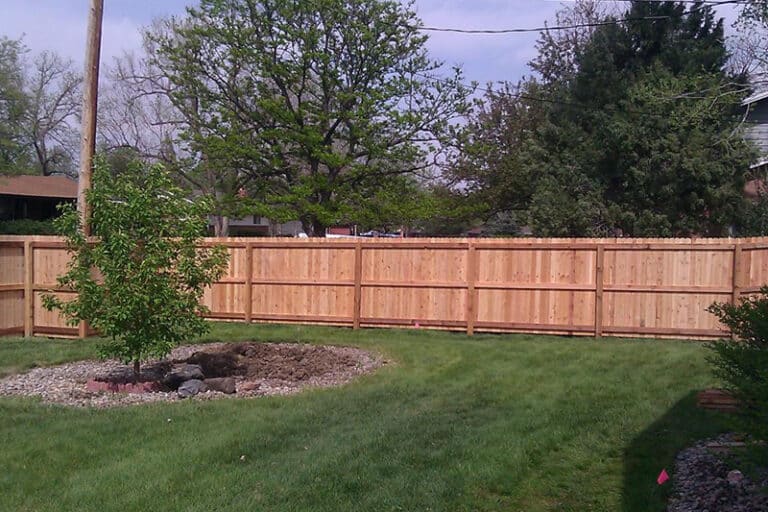
Building a fence in Denver isn’t just about picking materials and hiring a contractor. Before the first post goes into the ground, you’ll need to navigate a maze of local regulations, property boundaries, and neighbor relationships. Get any of these wrong, and you could face fines, forced removal, or an awkward feud with the people living next door.
We’ve helped Denver homeowners install fences for nearly two decades, and we’ve seen how proper planning makes all the difference. This guide covers everything you need to know about fence etiquette and property line rules in Denver, from height restrictions to cost-sharing conversations with your neighbors.
Understanding Denver’s Fence Height and Setback Regulations
Denver’s zoning code sets clear limits on how tall your fence can be, and the rules depend on where you’re placing it on your property.
In most residential zones, fences in the front yard are limited to 4 feet in height. This keeps sightlines open for drivers and maintains neighborhood aesthetics. Move to the side or back yard, and you can typically go up to 6 feet, perfect for that cedar privacy fence you’ve been dreaming about.
But here’s where it gets tricky: corner lots have additional restrictions. If your property sits at an intersection, there’s usually a “sight triangle” requirement that limits fence height near the corner to ensure drivers can see oncoming traffic and pedestrians.
Setback requirements also come into play. While fences generally don’t require the same setbacks as buildings, you’ll want to confirm your fence sits entirely on your property, not encroaching on easements or public right-of-way. Utility easements are especially important: the city or utility companies may need access, and a fence blocking that access could become your problem later.
For properties in historic districts or those governed by an HOA, additional restrictions often apply. Always check with your specific neighborhood association before finalizing plans.
How to Determine Your Exact Property Lines Before Building
Nothing derails a fence project faster than discovering you’ve built on your neighbor’s land. We’ve seen it happen, and it’s never pretty.
Start with your property survey. If you purchased your home recently, this document should be in your closing paperwork. It shows the exact boundaries of your lot, including any easements. Lost yours? You can request a copy from the Denver County Assessor’s office or the title company that handled your closing.
Can’t find a survey? Those metal stakes or pins at your property corners might still be there, buried just below the surface. A metal detector can help locate them. But if you’re unsure, or if there’s any disagreement with neighbors, hiring a licensed surveyor is worth every penny. In Denver, a residential survey typically costs between $400 and $800, depending on lot size and complexity.
Here’s a tip we share with every customer: even if you’re confident about your property lines, set your fence 2 to 4 inches inside the boundary. This small buffer prevents accidental encroachment and gives you room for maintenance without stepping onto your neighbor’s property. It’s a simple move that avoids headaches down the road.
The Good Neighbor Fence: Sharing Costs and Responsibilities
When a fence sits directly on or adjacent to a property line, both neighbors benefit. So who pays?
Colorado doesn’t have a state law requiring neighbors to split fence costs. But, Denver follows general principles that if both parties benefit from a boundary fence, sharing the expense is reasonable. The key word here is reasonable, it’s not legally enforceable in most cases, but it’s the neighborly thing to do.
If you’re approaching a neighbor about cost-sharing, come prepared. Get a few written estimates, decide on materials together, and put your agreement in writing. Even a simple email exchange documenting who pays what and who handles maintenance can prevent misunderstandings later.
Maintenance responsibilities are equally important to discuss upfront. Typically, the “good” side of a fence (the finished side without visible rails and posts) faces outward toward neighbors or the street. Both property owners should agree on who handles repairs, staining, or eventual replacement.
What if your neighbor refuses to contribute? You can still build the fence, just make sure it’s entirely on your property. That way, ownership is clear, and you control all decisions about upkeep and style.
Permit Requirements for Denver Fence Projects
Do you need a permit for your Denver fence? In many cases, yes.
The City and County of Denver requires a zoning permit for most fence installations. This isn’t a full building permit, it’s a simpler review to ensure your fence complies with height limits, setback rules, and zoning requirements. You can apply through Denver’s Development Services office, and the fee is relatively modest.
Here’s what typically requires a permit:
- Fences over 4 feet in the front yard
- Fences over 6 feet in side or rear yards
- Any fence in a historic district
- Fences with electrical components (like automatic gates)
Automatic gate systems deserve special mention. If you’re adding electric or solar-powered gates, you may need additional electrical permits. At A Straight Up Fence Company, we handle these details for customers installing our automatic gate systems, ensuring everything meets code from fabrication to installation.
Skipping the permit process might seem tempting, but it’s risky. Unpermitted fences can result in fines, and you may be required to modify or remove the structure. Worse, unpermitted work can complicate home sales down the line when buyers request documentation.
Communicating With Neighbors About Fence Plans
Even when you’re not legally required to notify neighbors, doing so is just good practice. A quick conversation can prevent months of tension.
Start early, ideally before you’ve finalized plans. Let your neighbors know you’re considering a fence, explain your reasons (privacy, pets, security), and ask if they have any concerns. You might learn about underground utilities they’re aware of, or they might want to coordinate timing with their own landscaping projects.
When discussing specifics, consider these points:
- Style and materials: Will a 6-foot cedar privacy fence block their garden’s sunlight? Would they prefer a different color or design?
- Placement: Show them where the fence will run. If possible, share your survey so everyone’s clear on boundaries.
- Timeline: Give them a heads-up about construction dates so they can plan accordingly.
Put important agreements in writing. This doesn’t need to be a formal contract, a simple email summary works. Document decisions about cost-sharing, the “good side” orientation, and any modifications you’ve agreed to make.
And if a neighbor is difficult? Stay calm, stick to the facts, and remember that you have the right to fence your own property within Denver’s regulations. Being polite doesn’t mean being a pushover.
What to Do When Property Line Disputes Arise
Even though best efforts, disputes happen. Maybe your neighbor insists the property line is different than your survey shows, or perhaps an existing fence has been in the wrong spot for years.
First, get a professional survey if you haven’t already. This removes guesswork and provides legal documentation of your boundaries. If your neighbor disputes the surveyor’s findings, they can hire their own surveyor for a second opinion, though licensed surveyors using the same recorded plat should reach identical conclusions.
If disagreement continues, consider mediation before jumping to legal action. Denver offers community mediation services that help neighbors resolve disputes without court involvement. It’s faster, cheaper, and preserves relationships better than litigation.
For fences that have existed in the wrong location for years, Colorado’s adverse possession laws may apply, but these situations are legally complex and require an attorney’s guidance.
Some practical tips for avoiding escalation:
- Keep all communications documented
- Never remove or alter a neighbor’s fence without permission
- Avoid building anything until the dispute is resolved
- Consult with a real estate attorney if significant money or property is at stake
Most disputes resolve once everyone sees the same survey documentation. The key is approaching the situation with facts, not emotions.
Conclusion
Installing a fence in Denver involves more than choosing between cedar, chain link, or wrought iron. Understanding local regulations, confirming your property lines, and maintaining open communication with neighbors sets the foundation for a smooth project.
At A Straight Up Fence Company, we’ve been helping Denver homeowners navigate these details since 2006. Whether you’re planning a simple board and post fence or a custom automatic gate system, we’re here to guide you through every step, from permits to that final post. Give us a call for a free estimate, and let’s build something you’ll love for years to come.